FSL Heart Embroidery: A Designer’s Real-World Review
As a designer who’s stitched hundreds of freestanding lace (FSL) pieces for client projects—from boutique baby blankets to Etsy shop patches—I opened FSL Heart Embroidery expecting charm, but what I found was something more valuable: reliability. Not every heart-shaped FSL design holds up under real-world conditions—especially when you’re stitching on textured sweatshirts or delicate tea towels—but this one does. Let me walk you through how it performed in my latest test: a custom embroidered linen tote bag for a local gift shop’s Valentine S Day collection.
First Impressions: Delicate, Not Fragile
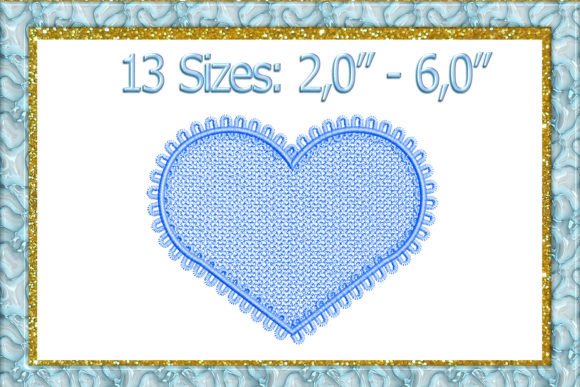
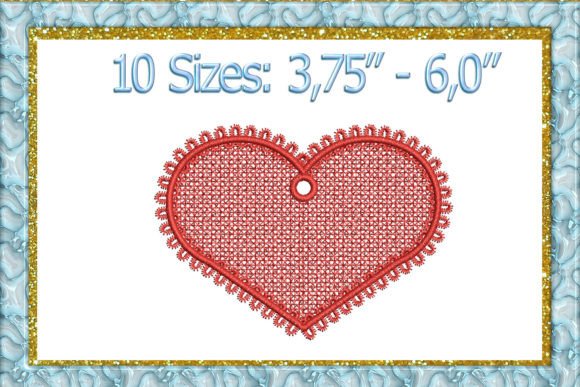
The moment I loaded the machine embroidery design, I noticed its clean outline and balanced negative space. It’s not overly ornate—no fussy scrolls or micro-details that vanish at 3x3" scale—but it’s far from generic. The curves are smooth, the center void is generous enough to let light pass through without compromising structural integrity, and the outer edge has just enough satin stitch definition to read clearly even from across a craft fair booth.
This isn’t a “cute” heart—it’s a confident one. It reads as handmade, not mass-produced. That matters when you’re building trust with customers who pay a premium for quality embroidery over printed transfers.
Where It Shines: Real Projects, Real Impact
I stitched FSL Heart Embroidery onto three very different substrates: medium-weight linen for the tote, French terry for a unisex sweatshirt, and cotton poplin for a baby onesie. On all three, it held shape beautifully—no puckering, no thread breakage, no distortion in the lace lattice. The stitch density feels intentional: dense enough to support itself as freestanding lace, yet open enough to avoid stiffness or bulk.
- Custom apparel: Works exceptionally well on crewnecks and relaxed-fit tees—especially when placed off-center or along a seam line for subtle branding.
- Embroidered patch: Cut cleanly after stitching; the edges stay crisp without fraying, making it ideal for iron-on or sew-on applications on denim jackets or aprons.
- Baby embroidery: Soft enough for sensitive skin, and the openwork design breathes better than solid-fill hearts—critical for onesies and swaddles.
- Holiday embroidery: Its timeless silhouette means it doesn’t scream “Valentine S Day” so loudly that it feels dated by February 15th. I’ve already repurposed it for wedding favors and anniversary pillow covers.
Where to Proceed Thoughtfully
Like any thoughtful digital embroidery file, FSL Heart Embroidery rewards attention—not just to machine settings, but to context. Here’s where I slowed down:
- Small hoop sizes: It fits comfortably in a 4x4 hoop, but pushing into 3x3 requires careful digitizing review. Check whether small interior loops remain intact—some versions of similar designs collapse there.
- Textured fabrics: On heavy terry or bouclé, use a lightweight cutaway + tear-away combo stabilizer. Don’t skip the topping—it keeps stitches from sinking into the nap.
- Thin or stretchy fabric: Avoid direct application on jersey or silk charmeuse unless backed with firm stabilizer and tested first. The lace structure needs support, not give.
- Dark fabric backgrounds: White or ecru thread pops beautifully, but if you’re using variegated or pastel threads, test contrast on black or navy mockups. Some lighter shades disappear visually.
- Curved surfaces (caps, hats): While technically possible, the flat geometry of this heart makes it less ideal for structured caps. Save it for flat-panel items like tote bags, pillow covers, or kitchen towels.
What It Adds to Your Finished Product
Stitching FSL Heart Embroidery doesn’t just add decoration—it elevates perception. Customers notice the dimensionality, the precision of the lace, the way light plays through the openwork. That translates directly to perceived value: a $28 linen tote becomes a $42 “hand-embroidered keepsake.” For Etsy sellers and small shop owners, that margin difference funds better materials, sharper photography, or time to refine your next design asset.
It also strengthens brand consistency. Because the motif is simple but distinctive, it works across product categories—same heart on a tea towel, a baby blanket, and a holiday card sleeve—without feeling repetitive. And unlike script-based monograms or trendy fonts, it won’t date your shop aesthetic in six months.
Designer Notes You’ll Actually Use
Before you load FSL Heart Embroidery into production, here’s what I do every time:
- Run a test on scrap fabric *with your exact stabilizer and thread*—not just “similar.” Thread tension shifts dramatically between brands.
- Check the smallest interior arches in the lace. Zoom in on your embroidery software. If they look thin or jagged, adjust density slightly—or reach out to the designer for a refined version.
- Mock it up in both light and dark backgrounds. I use free printable mockup templates to preview how it reads on product photos before stitching a single piece.
- Confirm licensing terms. Since this is a commercial embroidery file, verify whether resale of finished items is permitted—and whether attribution is required for digital product previews.
- Compare stitch count across formats. Nine included formats is generous—but ensure the .dst or .pes version you choose matches your machine’s capabilities and your project’s scale.
Finally: don’t assume it’s “just a heart.” This is a functional, versatile, quietly sophisticated embroidery project foundation. Whether you’re designing personalized gifts, building a craft business catalog, or sourcing reliable design assets for a wholesale line, FSL Heart Embroidery earns its place—not because it’s flashy, but because it’s trustworthy.
If you’re evaluating it for your next batch of embroidered patches, sweatshirt launches, or holiday gift sets, treat it like a collaborator: test it early, respect its limits, and let its quiet elegance speak for your craftsmanship.