I Love French Bulldog Machine Embroidery
First Impression: Sweet, Confident, and Instantly Recognizable
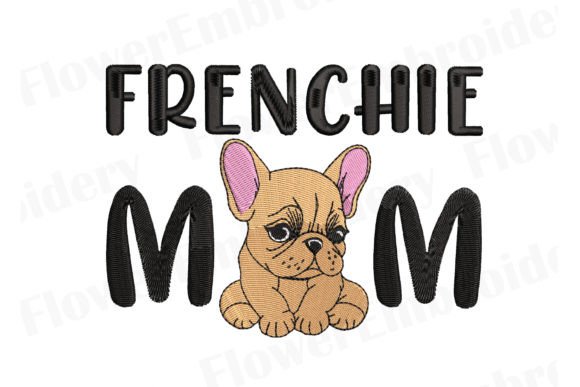
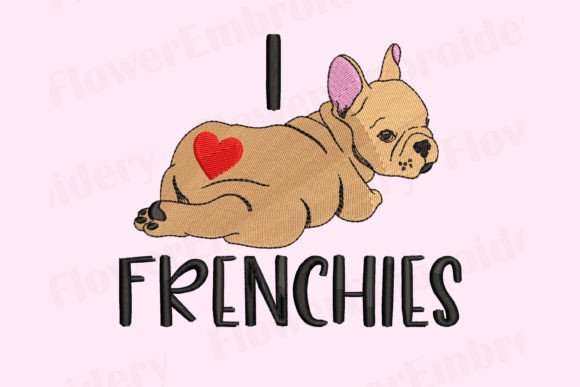
As an embroidery designer who’s prepped over 200 craft fair booths—from Portland pop-ups to Nashville handmade markets—I can tell you this at a glance: I Love French Bulldog Machine Embroidery lands with warm, approachable charm. It’s not minimalist or edgy—it’s heartfelt, friendly, and unapologetically dog-obsessed. The description hints at a sitting French bulldog paired with “I love Frenchies” lettering—so we’re looking at a design that balances illustration and typography, leaning into the “proud Frenchie Mom” energy without veering into kitsch. That emotional hook is gold at craft fairs, where buyers choose products based on joy, identity, and connection—not just utility.
Where It Shines: Craft Fair Product Placement That Converts
This machine embroidery design thrives on items that invite touch and storytelling. On a natural linen tote bag? Perfect—soft fabric lets the stitches breathe, and the sitting bulldog reads clearly even from three feet away. As apron embroidery, it adds personality above the pocket without overwhelming the silhouette. For tea towel embroidery, I’d place it centered near the top hem—clean, legible, and photogenic for your Etsy listing. And as an embroidered patch, it’s a bestseller: sewn onto denim jackets, canvas pouches, or baby bibs, it signals belonging in the Frenchie-loving community.
It also works beautifully on small-scale handmade products—think drawstring pouches, pillow covers, and market bags—where customers linger longer. At a booth, one well-executed sample (say, a navy cotton apron with white thread) draws more double-takes than five generic floral motifs. Why? Because it’s specific, affectionate, and instantly relatable to a passionate niche.
What Holds It Back (And How to Fix It)
Let’s be real: not every surface welcomes this design equally. On curved cap fronts? Proceed with caution—the sitting bulldog’s facial details and tight lettering may distort unless digitized for low-profile stitching and tested on scrap twill. On textured terry cloth towels? You’ll need extra stabilizer and possibly simplified fill areas; high stitch density in the dog’s wrinkles or “Frenchies” serifs could pucker or sink into the loops. And on dark fabric? Confirm your thread colors offer enough contrast—especially in the lettering. A pale gray “I love Frenchies” on charcoal duck canvas will vanish unless you opt for ecru or bright white.
Also note: if the digital embroidery file includes fine linework or tiny eyes, it won’t scale down gracefully below 3.5 inches. Avoid using it as a subtle corner accent on a tea towel—this design wants to be seen, not whispered.
Photography, Listings, and Online Appeal
This embroidery file photographs exceptionally well—especially when stitched on medium-weight cotton or linen. The sitting pose creates natural balance, and the phrase “I love Frenchies” adds textural rhythm that pops in natural light. For your Etsy seller shop or Instagram booth preview, pair it with a clean background and one lifestyle prop (a French bulldog plush beside an embroidered tote, for example). Skip busy mockups—let the design assets speak for themselves. And yes, it works in a printable mockup, but always back it up with at least one real-life photo. Buyers scroll fast—they need authenticity, not perfection.
Production Practicality: Batch-Friendly, But Not Blindly So
From a production standpoint, I Love French Bulldog Machine Embroidery is highly repeatable—if you test first. Its composition suggests moderate complexity: likely one cohesive motif + lettering, no excessive jump stitches or nested layers. That means faster hooping, fewer thread breaks, and smoother transitions between commercial embroidery runs. Still, don’t assume compatibility across fabric types. A tightly woven poplin apron behaves very differently than a slubby organic tea towel—and both behave differently than fleece-lined pouches.
Before stitching 50 units, run these checks: confirm hoop size fits your frame (many sitting-dog designs land comfortably in a 4x4, but verify), inspect spacing between dog and text (crowding kills readability), and assess whether the stabilizer you’re using matches the fabric texture. Tear-away works for smooth cottons; cut-away is safer for knits or stretchy blends.
Booth Impact & Buyer Engagement
In a crowded craft fair aisle, I Love French Bulldog Machine Embroidery builds instant rapport. It doesn’t shout—it smiles, winks, and says, “I see you.” That emotional resonance drives engagement: moms pause, point, and say, “Oh my gosh—that’s *exactly* my dog!” That moment is your opening to talk about quality, thread sourcing, or customization options. It strengthens brand consistency if you’re building a pet-themed line—and elevates perceived value of even simple small shop products like folded tea towels or mini pouches.
Designer Notes You Can’t Skip
- Test on scrap fabric—not just one type, but two or three that match your planned products.
- Check thread contrast under both daylight and indoor booth lighting.
- Review spacing and kerning—tight lettering can blur at small sizes.
- Confirm hoop size and whether the design requires re-hooping for multi-position stitching.
- Inspect stitch density in the dog’s face and lettering—over-stitched areas risk stiffness or shadowing on dark fabrics.
- Use the right stabilizer: lightweight cut-away for knits, tear-away for stable wovens, and fusible for lightweight silks or rayons.
- Create at least one real mockup—no digital substitute for how light hits real thread.
- Compare fabric colors side-by-side: ivory thread on oatmeal linen reads warmer than on cream cotton.
- Verify commercial licensing before selling finished products—this is non-negotiable for Etsy sellers and wholesale partners.
If you’re curating a lineup of Dogs-themed Embroidery offerings—or building a signature collection for your handmade shop—I Love French Bulldog Machine Embroidery isn’t just another file. It’s a conversation starter, a loyalty builder, and a quiet confidence booster for your entire craft fair product strategy. Just remember: its charm lies in clarity, care, and connection—not speed or scale. Stitch it right, and it won’t just sell. It’ll be loved.