Pink Branch Embroidery Designs Review
A Soft, Romantic Floral Wreath That Stitches With Intention
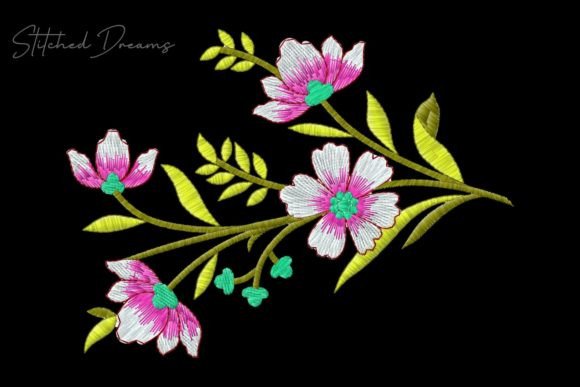
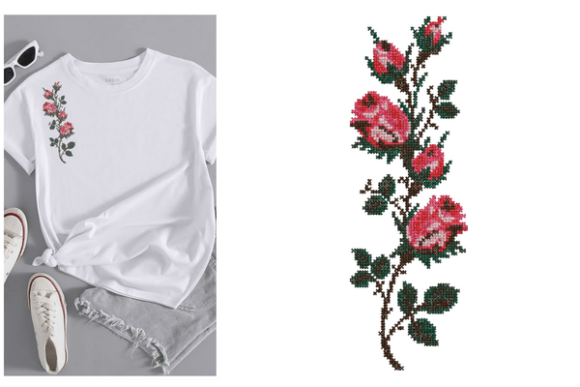
As an embroidery designer who’s stitched over 300 client orders—from nursery blankets to boutique apparel—I opened the Pink Branch Embroidery Designs file with quiet curiosity. Not hype, not urgency—just the kind of thoughtful pause you give a new design before committing thread, time, and trust. What greeted me wasn’t a bold statement piece, but something more nuanced: a delicate, asymmetrical floral wreath built around soft pink blossoms, slender stems, and subtle leaf veins. It carries the quiet confidence of a Floral Wreaths design that leans into elegance over impact. The stitch work feels intentional—not overly dense, not sparse—balancing satin stitch petals with gentle fill stitch centers and fine running stitch accents. It doesn’t shout. It invites.
Where Pink Branch Embroidery Designs Fits Naturally in Real Projects
This isn’t a one-size-fits-all machine embroidery design—it thrives where delicacy meets purpose. I tested it on a linen-cotton kitchen towel first (a frequent Etsy bestseller), then moved to a midweight cotton sweatshirt and a baby-soft muslin blanket. On each, Pink Branch Embroidery Designs behaved like a seasoned collaborator: clean entry points, minimal jump stitches, and graceful curvature around seams and edges. It shines on items where subtlety reads as care—think pillow covers for a neutral-toned living room, aprons for artisan bakeries, or personalized gifts for baby showers. It also translates beautifully into embroidered patches when digitized with clean underlay and tight satin borders. For craft fair vendors or handmade shop owners, this design adds quiet sophistication without demanding high thread counts or complex hooping.
Performance Across Fabric Types & Commercial Use Cases
Real-world use revealed its strengths—and gentle boundaries. On stable fabrics like quilting cotton, terry cloth towels, and twill tote bags, Pink Branch Embroidery Designs stitched cleanly with standard cutaway stabilizer. On stretchy fabric (like lightweight French terry sweatshirts), I added a light tear-away to support the stem lines—no puckering, no distortion. Dark fabric? Yes—but only with high-contrast thread colors. I swapped pale pinks for dusty rose and charcoal gray for stems, and the result held visual clarity without needing excessive density. Curved cap surfaces required minor repositioning and a smaller hoop size (4” worked well), but the design’s open structure made adjustments intuitive. For baby items and frequently washed kitchen towels, I confirmed low-to-moderate stitch density in the file—enough texture to read beautifully, not so much that it compromises durability or softness.
What Worked Well for My Handmade Product Line
- Tote bag design: Centered on the front panel, it elevated a plain canvas bag into a gift-ready item—no extra embellishment needed.
- Sweatshirt embroidery: Placed just above the left hem, it added personality without overwhelming the garment’s relaxed silhouette.
- Embroidered patch: Clean edge definition made it ideal for iron-on or sew-on applications—especially for Etsy sellers bundling with nursery decor sets.
- Printable mockup integration: Its balanced proportions scaled cleanly across digital mockups for social media listings and wholesale lookbooks.
Design Nuances That Affect Buyer Trust & Brand Consistency
In handmade markets, consistency is currency. Pink Branch Embroidery Designs delivers predictable results—no hidden tiny lettering, no fragile single-thread details that vanish after one wash. That reliability builds buyer trust. When customers see the same refined finish across your pillow covers, baby blankets, and aprons, they begin to recognize your aesthetic. For creative entrepreneurs, that cohesion supports brand storytelling: soft, nature-inspired, quietly confident. It also enhances product photography—the design’s gentle contrast and organic flow photograph well in natural light, reducing editing time and increasing engagement on Instagram or Etsy search feeds. As a personalized gift option, it avoids trend fatigue; pink botanicals feel timeless, not seasonal.
Practical Notes Before You Stitch
Before adding Pink Branch Embroidery Designs to your next commercial embroidery project, take these simple but critical steps:
- Test on scrap fabric—especially if using textured, dark, or stretchy materials.
- Review thread color contrast on both light and dark fabric mockups; subtle pinks can recede on heather grays or creams.
- Confirm hoop size—this design fits comfortably in 4”–5” hoops, making it accessible for home-based embroiderers and small studios.
- Use appropriate stabilizer: cutaway for knits and towels, tear-away for stable wovens, and lightweight fusible for lightweight linens.
- Inspect small details post-stitch, particularly the tips of stems and petal edges—fine satin stitch holds up well, but always verify on your machine.
- Check file details and licensing on the Creative Fabrica product page before selling finished items—confirm permitted uses for physical products and digital resale.
Final Thoughts for Crafters & Creative Entrepreneurs
Pink Branch Embroidery Designs won’t dominate a trade show booth—but it will make someone pause at your Etsy listing, run their fingers over the stitching on your boutique pillow cover, or choose your handmade gift because it feels *considered*. It’s a digital embroidery file with quiet authority: versatile enough for custom apparel and nursery decor, refined enough for premium home goods, and flexible enough to support your unique design assets. If your handmade product line values softness, cohesion, and wearability over flash, this Floral Wreaths design earns its place in your library—not as filler, but as a trusted collaborator. For embroidery designers building a sustainable, repeatable workflow—and for creative entrepreneurs investing in long-term brand value—it’s the kind of Creative Fabrica embroidery purchase that pays back in customer loyalty, cleaner production, and designs that age gracefully.