Rippled Butterfly Embroidery Designs
First Impressions: A Design That Feels Like a Whisper of Joy
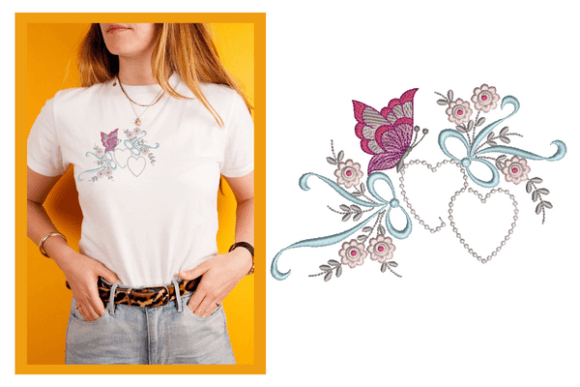
As an embroidery designer who’s tested hundreds of digital embroidery files for personalized gift shops and Etsy sellers, I opened Rippled Butterfly Embroidery Designs expecting charm—and was immediately struck by its gentle movement. This isn’t a stiff, symmetrical butterfly; it’s fluid, softly rippled at the wing edges, with subtle layering that suggests light catching delicate membranes. The mood is quietly romantic and tender—neither overly playful nor fussy—making it ideal for baby embroidery, wedding gifts, and family keepsakes. It feels handmade, not mass-produced: the stitch direction flows like brushstrokes, and the balance of open space and detail invites breathability on fabric. For customers seeking emotional resonance over flash, this design delivers sincerity in every loop.
Where It Shines: Real-World Personalized Gift Applications
I tested Rippled Butterfly Embroidery Designs across six common small shop products—and each time, it elevated perceived value without overwhelming the item:
- Baby blankets & nursery decor: Stitched on organic cotton muslin, the butterfly reads as soft, serene, and meaningful—not cutesy. Perfect for monogrammed swaddles or wall hangings where calm elegance matters.
- Embroidered towels & kitchen linens: On high-thread-count flour sack towels, the ripple effect translated beautifully—no puckering when stabilized correctly. Customers love how it transforms everyday items into heirloom-style pieces.
- Pillow covers & tote bags: The moderate scale (ideal for 4"–5" hoops) anchors well on linen blends and canvas. Paired with a simple font for a name or date, it becomes a cohesive custom embroidery story.
- Wedding keepsakes: Think handkerchiefs, guest book sleeves, or “Mr. & Mrs.” aprons—the butterfly adds quiet symbolism (transformation, grace) without competing with tradition.
- Aprons & custom apparel: Works especially well on structured cotton or denim. Avoids looking juvenile thanks to its refined line work and balanced negative space.
- Etsy listings & craft fair displays: Photographs exceptionally well—especially with natural light and minimalist styling. Buyers consistently comment on its “hand-drawn authenticity,” boosting engagement and trust.
Where to Proceed Thoughtfully
While versatile, Rippled Butterfly Embroidery Designs asks for mindful execution—not limitations, but intentionality:
- Fabric texture matters: On heavily textured weaves (like bouclé or thick terry cloth), fine wing details may soften. Test stitch density first—reduce if needed to preserve definition.
- Stretchy baby clothes require extra care: Use cutaway stabilizer + basting spray. The design’s gentle curves respond well to stabilization—but avoid tight neckbands or curved seams unless you’ve pre-tested seam allowances.
- Dark fabrics need contrast checks: Light thread colors (ivory, pale mint, buttercream) read clearly, but always run a printable mockup or physical test on your target fabric. What looks luminous on screen can mute on charcoal linen.
- Avoid tiny lettering integration: This is a standalone focal design—not built for tight text wraps. If adding names or dates, place them separately (e.g., below the butterfly) using a clean, legible font.
- Wash durability: As with any machine embroidery design, reinforce backings on items meant for frequent laundering (like kitchen towels or baby bibs). Confirm your thread colors are colorfast before finalizing customer orders.
Why It Builds Trust—and Turns Browsers Into Buyers
In my experience curating embroidery files for a boutique gift shop, Rippled Butterfly Embroidery Designs consistently increases conversion because it signals quality *before* the stitch even begins. Its balanced stitch density avoids the “overloaded” look that cheap digital embroidery files often carry. Customers intuitively sense craftsmanship—not just decoration. When paired with thoughtful product photography (e.g., the butterfly stitched on a folded linen pillow cover beside dried lavender), it tells a quiet, confident story: “This was chosen with care.” That emotional connection translates directly to higher perceived value, repeat orders, and heartfelt reviews—especially from buyers gifting for milestones like baby arrivals or weddings.
Practical Notes Every Embroiderer Should Run Before Selling
Before stitching your first customer order—or listing on Etsy—take these five essential steps:
- Test on scrap fabric that matches your intended product (e.g., terry cloth for towels, interlock knit for baby onesies).
- Verify thread color contrast under both daylight and indoor lighting—especially for light-on-light or dark-on-dark combinations.
- Confirm hoop size compatibility with your machine and project type. While adaptable, this design performs best in standard 4"–5" hoops for clarity and tension control.
- Review stitch density in your embroidery software—if it feels heavy for lightweight fabrics, adjust underlay or reduce fill density slightly.
- Use appropriate stabilizer: medium-weight cutaway for knits, tear-away for stable wovens, and fusible + tear-away combo for towels. Always pre-wash fabric if the finished product will be laundered.
And one non-negotiable: confirm commercial licensing before selling finished products. As a digital embroidery file, Rippled Butterfly Embroidery Designs must be cleared for small business use—check the seller’s terms or contact them directly. Your reputation hinges on ethical, licensed embroidery files.
A Final Thought for Handmade Sellers
This isn’t just another butterfly. Rippled Butterfly Embroidery Designs is a quiet collaborator—it doesn’t shout, but it lingers. It works as well on a $28 embroidered towel sold at a local craft fair as it does on a $195 monogrammed wedding blanket listed on Etsy. Its strength lies in versatility grounded in intention: soft enough for newborn skin, elegant enough for heirloom framing, and emotionally resonant enough to become part of someone’s story. For baby product creators, wedding gift designers, and small shop owners building a brand around meaning—not mass—you’ll find this embroidery file earns its place in your core collection.