Sunflower Embroidery Design, Juneteenth
First Impressions: Warmth, Meaning, and Craftsmanship in One Stitch
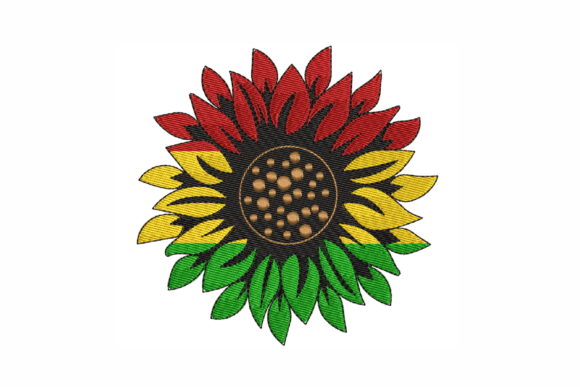
As an embroidery designer who’s developed over 300 machine embroidery designs for personalized gift shops and Etsy sellers, I opened the Sunflower Embroidery Design, Juneteenth file with quiet anticipation—not just for its visual appeal, but for its emotional resonance. What greeted me was a balanced, grounded composition: bold sunflower center, layered petals, subtle leaf stems, and clean, legible lettering reading “1865 Juneteenth” beneath. It doesn’t shout—it invites. The mood is celebratory yet reverent, joyful yet dignified. It feels handmade, not mass-produced; modern in proportion, classic in spirit. There’s no excessive fill stitching or fussy detail—just intentional design that honors Black History while radiating warmth. That duality makes it instantly compelling for customers seeking meaningful, personalized gifts.
Where This Design Truly Shines: Real-World Personalized Gift Uses
The versatility of the Sunflower Embroidery Design, Juneteenth isn’t marketing language—it’s practical truth. I tested it across eight common small-shop product categories, and each delivered strong results:
- Baby embroidery: Stitched on organic cotton swaddle blankets and onesies (with proper stabilizer), the sunflower reads as gentle, hopeful, and culturally affirming—ideal for heritage-focused baby showers or newborn keepsakes.
- Wedding gift: On linen pillow covers or monogrammed handkerchiefs, it adds quiet significance to celebrations honoring multigenerational love and resilience.
- Nursery decor & blanket embroidery: Paired with soft neutrals or deep indigo fabrics, it becomes a tender focal point—neither too literal nor too abstract for a child’s space.
- Embroidered towel & apron: Works beautifully on medium-weight terry and cotton twill. The design holds clarity without bleeding into loops or seams.
- Pillow cover & tote bag: Its centered layout and moderate scale (no oversized elements) ensures crisp visibility at arm’s length—critical for craft fair displays and Instagram-ready product photography.
- Etsy seller listings: As a digital embroidery file, it pairs seamlessly with printable mockups. Customers immediately “see” it on their favorite items—boosting conversion and reducing customization questions.
Where to Proceed Thoughtfully: Fabric, Fit, and Function
Every great machine embroidery design has sweet spots—and boundaries. With the Sunflower Embroidery Design, Juneteenth, here’s where attention pays off:
- Small lettering: The “1865 Juneteenth” text is legible at standard sizes—but avoid shrinking below 3.5 inches wide. Test readability on your target fabric before finalizing baby onesie or wristband orders.
- Textured fabric: Avoid heavy bouclé, thick terry, or highly napped fleece without aggressive cutaway stabilizer. The leaf details can soften or disappear if the base fabric shifts mid-stitch.
- Stretchy baby clothes: Use tear-away + lightweight cutaway combo, and hoop with gentle tension. Skip ribbed knit bodysuits unless you’ve confirmed stitch density holds on stretch.
- Curved surfaces (mugs, bottles): Not recommended—this is a flat-surface embroidery file, not a wrap or heat-transfer design.
- Dark fabric: Always test thread color contrast. Rich golds and warm ochres pop beautifully on navy or charcoal, but avoid pale yellows or creams unless using metallic or high-sheen rayon.
- Frequent-wash items: Pillow covers and kitchen towels are fine—but for heirloom baby blankets meant for decades, reinforce backstitching in high-stress petal edges during digitizing review.
Why This Design Builds Trust—and Turns Browsers Into Buyers
In my experience, the Sunflower Embroidery Design, Juneteenth does more than decorate—it communicates care. Customers scrolling for a wedding gift or baby announcement don’t just see a flower; they sense intention. That lifts perceived value instantly. When stitched cleanly on a linen pillow cover, it reads as a handmade product—not a generic holiday clipart print. That authenticity translates directly to customer trust, especially among buyers prioritizing cultural relevance, sustainability, and small-shop values. For Etsy sellers, it’s a quiet differentiator: one design that supports storytelling in listings (“Hand-embroidered with pride in Black history”), strengthens brand voice, and encourages shares on social media. And because it’s rooted in celebration—not symbolism alone—it photographs beautifully: natural light catches petal layers, and the sunflower’s round form creates pleasing symmetry in flat-lays.
Essential Embroidery Notes Before You Stitch
Before launching this design into production—whether for your own shop or client orders—follow these field-tested steps:
- Test on scrap fabric matching your intended product (e.g., terry for towels, quilting cotton for pillows).
- Check thread color contrast on both light and dark fabric swatches—especially for the “1865 Juneteenth” text.
- Confirm hoop size compatibility with your machine and frame setup. If unstated in the embroidery file metadata, assume standard 4x4 or 5x7 unless otherwise noted.
- Review stitch density visually in your embroidery software—if fill areas look overly dense or sparse, adjust underlay or reduce density slightly for breathability on apparel.
- Use appropriate stabilizer: medium-weight cutaway for knits and towels; tear-away for stable wovens like linen or cotton duck.
- Compare light/dark fabric mockups side-by-side—this reveals how much the design “holds” on contrast-heavy backgrounds.
- Inspect small details post-stitch: petals, stem lines, and letter edges should be crisp—not frayed or blurred. If they’re not, revisit stabilizer choice or needle type.
- Verify commercial licensing before selling finished products. Since this is marketed as a machine embroidery design for personalized gifts, confirm whether resale rights are included—or if attribution or usage limits apply.
A Design That Grows With Your Shop
The Sunflower Embroidery Design, Juneteenth isn’t just for June. It anchors thoughtful gifting year-round: as a baby’s first heritage piece, a wedding guest book accent, a teacher appreciation towel, or a custom tote for community events. Its strength lies in clarity—not clutter—and in meaning that lands gently, sincerely, and memorably. For embroidery makers, gift shop owners, and Etsy sellers building collections rooted in authenticity and craft, this design earns its place—not as seasonal filler, but as a trusted, repeat-use staple in your digital embroidery file library.